
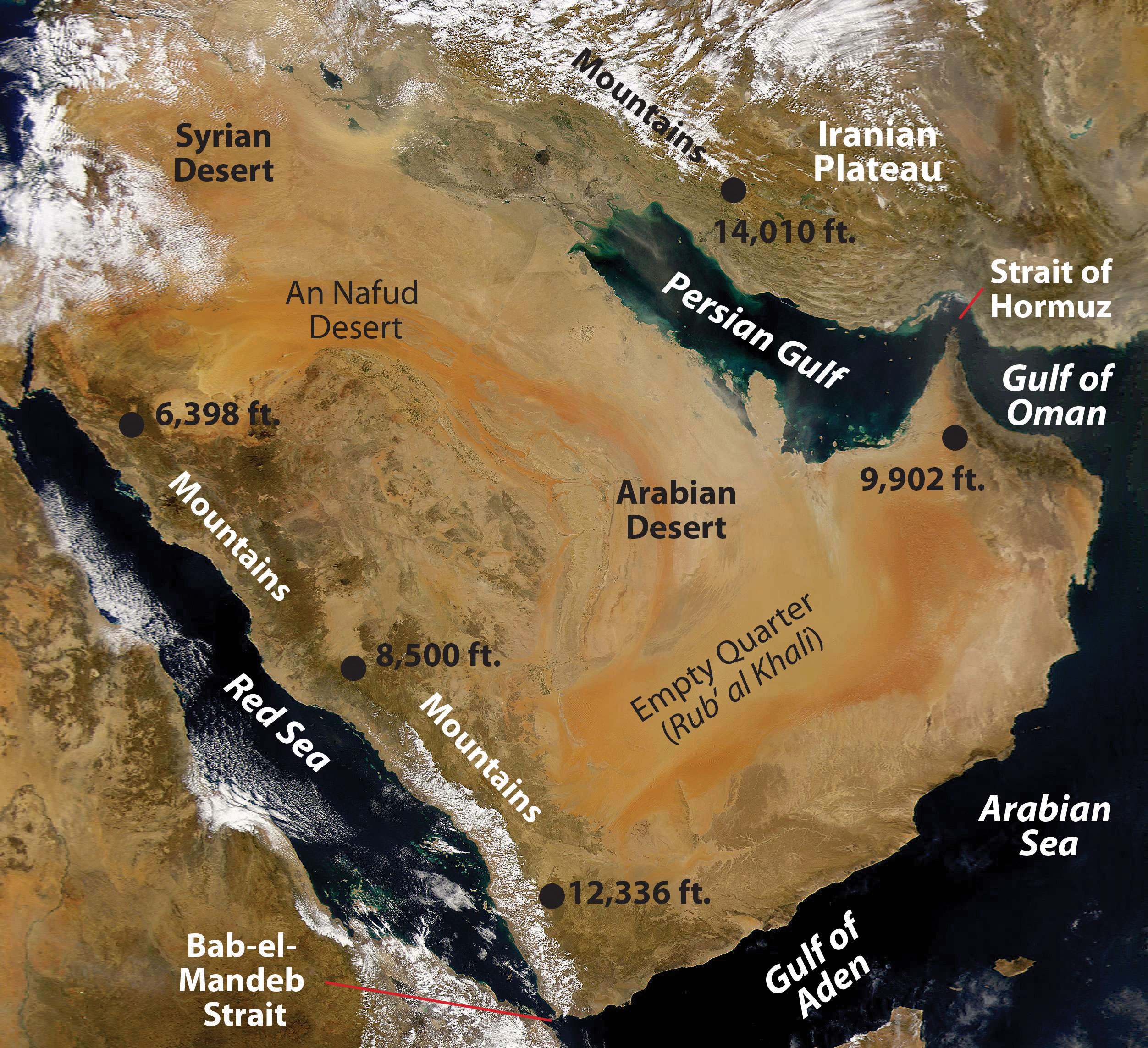
The Middle East offers a wide range of infrastructure opportunities due to ongoing urbanization, economic diversification, and strategic development initiatives in countries across the region. Some key sectors where opportunities are growing include:
1. Transportation Infrastructure
- Airports: Many Middle Eastern countries, especially the UAE, Qatar, and Saudi Arabia, are investing in airport expansion and modernizations, such as Dubai International Airport or King Abdulaziz International Airport in Jeddah.
- Highways & Roads: With growing populations and rising demand for better connectivity, there’s a strong need for highway construction and upgrades. Projects like the Saudi National Transport and Logistics Strategy and the Qatar Expressway are notable examples.
- Railways: The region is focusing on modern rail systems for both passenger and freight. For instance, Saudi Arabia’s Haramain High-Speed Rail and Dubai Metro are among large-scale rail projects attracting investment.
- Ports: The Middle East’s strategic location makes it a hub for global shipping. There are expansion projects in ports such as Jebel Ali Port in Dubai, King Abdullah Port in Saudi Arabia, and Port of Salalah in Oman.
2. Energy Infrastructure
- Renewable Energy: With global shifts toward sustainable energy, countries in the region are heavily investing in renewable projects. UAE’s Masdar City and Saudi Arabia’s Neom project are focused on clean energy solutions, including solar and wind power.
- Smart Grids: The region is modernizing its energy infrastructure with smart grids, electric vehicle charging stations, and energy-efficient systems to cater to growing demand for sustainable energy.
- Oil and Gas Infrastructure: Despite the push for renewables, oil and gas still dominate, with ongoing investment in refining, pipelines, and LNG projects in countries like Qatar, UAE, and Saudi Arabia.
3. Urban Development
- Smart Cities: The region is embracing the smart city model, integrating technology to improve urban living. Examples include Masdar City in the UAE, Neom in Saudi Arabia, and Qatar’s Lusail City.
- Residential and Commercial Developments: There’s a growing demand for residential, commercial, and mixed-use developments, especially in the major urban centers of Dubai, Riyadh, Doha, and Abu Dhabi.
4. Water & Waste Management
- Desalination Plants: Due to water scarcity, the Middle East is investing heavily in desalination plants, with projects like the Al Khobar Desalination Plant in Saudi Arabia and the Shuweihat S3 Plant in the UAE.
- Water Infrastructure: Enhancing water distribution, storage, and treatment facilities is another critical area of development, especially in arid countries like Saudi Arabia and the UAE.
- Waste Management: The region is also focusing on efficient waste management systems and recycling infrastructure, especially in mega-cities. Qatar has plans to modernize waste treatment and recycling with state-of-the-art facilities.
5. Telecommunications & Digital Infrastructure
- 5G Networks: The Middle East is one of the early adopters of 5G technology, with significant investments in expanding digital infrastructure. Countries like the UAE and Saudi Arabia are leading the charge in enhancing mobile networks and data centers.
- Fiber Optic Networks: Expansion of high-speed broadband is a priority in many countries, particularly for urban areas and to support future tech-driven industries.
6. Healthcare Infrastructure
- Hospitals and Clinics: There is a growing demand for high-quality healthcare facilities across the region, particularly in countries like Saudi Arabia and the UAE, which are looking to develop world-class hospitals and clinics.
- Medical Equipment & Technology: Investments are also growing in advanced medical technology and equipment to cater to the expanding population and medical tourism sector.
7. Education Infrastructure
- Schools and Universities: With a growing population and focus on diversifying the economy, there’s an increasing need for new schools, universities, and educational facilities in countries like Saudi Arabia, the UAE, and Qatar.
- Vocational and Technical Training: As part of nationalization programs, countries in the region are investing in training centers to prepare the workforce for non-oil sectors.
8. Tourism Infrastructure
- Hotels and Resorts: The Middle East is becoming a major hub for tourism, with luxury hotels and resorts being developed in countries like the UAE, Oman, and Bahrain. Mega-projects like Expo 2020 Dubai and the Qatar 2022 World Cup are driving investment.
- Cultural and Entertainment Complexes: The region is focusing on entertainment as a means of diversifying its economies. Examples include Saudi Arabia’s Red Sea Project and Dubai’s cultural and leisure developments.
Key Countries with Major Infrastructure Opportunities:
- Saudi Arabia: Driven by Vision 2030, there are numerous opportunities in sectors like transportation, energy, and urban development.
- UAE: Dubai and Abu Dhabi are key centers for real estate development, transport, and smart city projects.
- Qatar: Major investment in infrastructure ahead of the 2022 FIFA World Cup, including stadiums, transportation, and urban development.
- Oman: A growing focus on logistics and transportation infrastructure, along with energy development projects.
- Kuwait: Infrastructure development is ramping up with a focus on transportation and residential projects.
Investment Drivers:
- Government-led Initiatives: Vision 2030 in Saudi Arabia, UAE’s Expo 2020, and Qatar National Vision 2030 are examples of national plans driving infrastructure investments.
- Private-Public Partnerships (PPPs): Many projects are being pursued under PPP models, especially in energy, transportation, and water management.
- Foreign Investment: The region is increasingly open to foreign investments, especially in sectors such as real estate, renewable energy, and healthcare.
These projects present a range of opportunities for investors, contractors, technology firms, and international businesses looking to tap into the region’s rapid development.
Iran offers a range of infrastructure opportunities, particularly in sectors such as transportation, energy, water, and telecommunications. Despite facing economic sanctions and political challenges, the country is actively working to improve its infrastructure, create new opportunities for investment, and diversify its economy. Here are some key infrastructure opportunities in Iran:
1. Transportation Infrastructure
- Road Networks: Iran has a vast road network that needs ongoing development and maintenance, especially in rural and underserved areas. Expanding and modernizing highways and roads, as well as improving road safety, are priorities for the government.
- Railways: Iran is focusing on modernizing and expanding its rail network, including high-speed rail projects and freight transportation. The Tehran-Mashhad High-Speed Rail project and the expansion of the Trans-Iranian Railway are notable examples of major investments in the sector.
- Airports: Iran’s airports require modernization and expansion to cater to growing passenger traffic. Projects to improve facilities at Mehrabad International Airport in Tehran and Shiraz International Airport are among key priorities.
- Ports and Shipping: Iran has a strategic position on the Persian Gulf and the Caspian Sea, and its ports are vital for regional trade. The government has been focusing on upgrading ports like Bandar Abbas, Chabahar Port (which is also a key project for trade routes to India), and Khorramshahr Port to facilitate better logistics and shipping.
2. Energy Infrastructure
- Oil and Gas Development: As one of the world’s largest producers of oil and natural gas, Iran’s energy sector presents significant infrastructure opportunities. Modernizing and expanding refineries, gas processing facilities, and pipelines are critical priorities.
- Renewable Energy: Iran has great potential in renewable energy, especially solar and wind power, and is focusing on diversifying its energy mix. Solar energy projects in areas like Yazd province and wind farms in the northwest are being developed to reduce dependency on fossil fuels.
- Electricity Grid: There is a need to improve the electricity grid, especially in rural and remote areas, and upgrade infrastructure for greater efficiency. The Iranian government has also been investing in smart grid technology.
- Nuclear Energy: Iran continues to develop its nuclear energy capabilities, with ongoing efforts to build more reactors as part of its energy diversification strategy. However, international sanctions impact this sector significantly.
3. Water and Environmental Infrastructure
- Water Supply and Treatment: Iran faces water scarcity challenges, and improving water supply systems, treatment plants, and irrigation infrastructure is a critical focus. Projects to address drought and conserve water resources are ongoing, including the development of new water reservoirs and desalination plants along the southern coast.
- Wastewater Management: Enhancing wastewater treatment and recycling systems is becoming more important, particularly in urban areas where population growth is putting pressure on existing facilities.
- Environmental Projects: Iran is increasingly focused on addressing pollution and improving environmental sustainability. Projects to improve air quality, waste management systems, and reforestation efforts are gaining traction.
4. Telecommunications and Digital Infrastructure
- 5G Networks: Iran is working on expanding its telecommunications infrastructure, including the rollout of 5G technology in major urban areas. This is aimed at improving mobile connectivity, increasing internet speeds, and providing the digital infrastructure needed to support the country’s economic diversification efforts.
- Broadband Expansion: Iran is focusing on expanding high-speed broadband services, especially in rural areas, to boost connectivity and support businesses, education, and e-commerce.
- Data Centers: With increasing demand for digital services, there is an opportunity for building and upgrading data centers across the country to support growing internet usage, cloud services, and e-commerce.
5. Urban Development
- Housing Projects: Iran has a growing population, and there is significant demand for affordable housing. The government has initiated a number of housing development programs, including mass housing projects for low-income families in cities like Tehran, Isfahan, and Mashhad.
- Smart Cities and Urban Infrastructure: Some Iranian cities are starting to embrace the concept of smart cities, incorporating modern technologies to improve urban living. Projects to improve transportation systems, waste management, and public services are increasingly becoming a priority.
- Commercial and Retail Development: As urbanization accelerates, there is a growing demand for commercial real estate, including office spaces, shopping malls, and mixed-use developments in major cities.
6. Healthcare Infrastructure
- Hospitals and Healthcare Facilities: Despite having a relatively strong healthcare system, Iran’s healthcare infrastructure requires modernization and expansion, particularly in rural and underserved areas. Upgrading existing hospitals and building new healthcare facilities to cater to a growing population is a priority.
- Medical Equipment and Pharmaceuticals: There is an opportunity for investment in the medical device industry and pharmaceutical manufacturing, which are essential for improving healthcare services across the country.
- Medical Tourism: Iran has a well-established medical tourism sector, with opportunities to develop new medical facilities and promote the country as a hub for affordable healthcare.
7. Education and Vocational Training
- Educational Infrastructure: Iran is investing in expanding its education infrastructure, especially in rural areas, with new schools, universities, and vocational training centers. This is aimed at improving literacy rates and providing better education for a young and growing population.
- Vocational Training: Given the country’s focus on diversifying its economy, particularly in sectors like technology and manufacturing, there is a significant opportunity in developing vocational training and technical institutions to prepare the workforce for new industries.
8. Tourism Infrastructure
- Hotels and Resorts: Iran, with its rich history and cultural heritage, has significant potential in the tourism sector. There are opportunities to develop new hotels, resorts, and cultural tourism infrastructure, especially in cities like Isfahan, Shiraz, and Tehran.
- Cultural Heritage Sites: Iran is home to numerous UNESCO World Heritage Sites, and there are opportunities to invest in restoring and preserving these sites to attract international tourists.
Key Investment Considerations:
- Sanctions and Political Risks: International sanctions and political risks remain significant challenges for foreign investment in Iran. However, some areas of the economy, such as energy, transportation, and infrastructure, remain open for investment, especially through joint ventures or partnerships.
- Local Partnerships: Due to sanctions and restrictions, working with local partners or using special economic zones can provide opportunities for foreign companies to navigate regulatory hurdles and gain access to projects.
- Government Incentives: The Iranian government offers various incentives to attract foreign investment in infrastructure projects, particularly in the energy, transportation, and telecommunications sectors.
Conclusion:
Iran’s infrastructure opportunities are substantial across various sectors, including transportation, energy, water management, and digital infrastructure. However, navigating the challenges posed by international sanctions, political instability, and regulatory complexities is essential for successful investment. Businesses and investors who are familiar with the local context and are willing to engage in joint ventures or collaborate with local partners can find valuable opportunities in Iran’s growing infrastructure sector.