
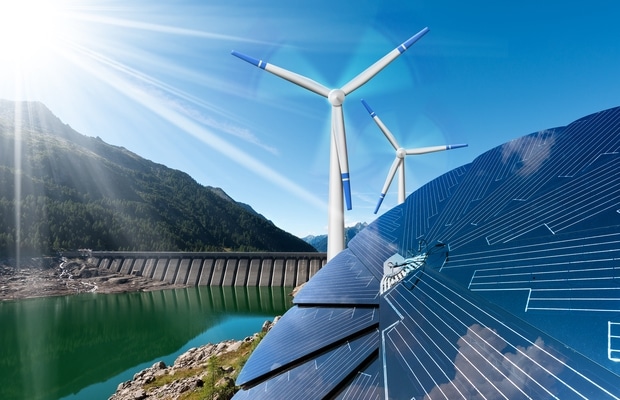
Renewable energy infrastructure projects are essential for transitioning to sustainable energy sources and reducing dependence on fossil fuels. These projects involve the development of renewable energy generation systems, storage solutions, and transmission infrastructure to support the growing demand for clean energy. As the world moves towards decarbonization, countries are investing heavily in renewable energy to combat climate change and ensure energy security.
Here’s an overview of key renewable energy infrastructure projects, trends, and opportunities:
1. Key Types of Renewable Energy Infrastructure Projects
a. Solar Energy Projects
- Solar Photovoltaic (PV) Power Plants: Large-scale solar power plants are a major source of renewable energy. Projects involve the installation of solar panels, inverters, and electrical infrastructure to generate electricity. Examples include:
- Noor Abu Dhabi Solar Plant (UAE): The world’s largest single-site solar plant, generating 1.177 GW of power.
- Bhadla Solar Park (India): One of the largest solar parks globally, with a capacity of 2.25 GW.
- Mohammed bin Rashid Al Maktoum Solar Park (UAE): A multi-phase solar park with a target capacity of 5,000 MW by 2030.
- Solar Rooftop Projects: Many countries are also promoting rooftop solar installations for residential, commercial, and industrial buildings, aiming to decentralize energy production.
b. Wind Energy Projects
- Offshore Wind Farms: Offshore wind energy has become one of the fastest-growing renewable sectors, with projects located in coastal regions where winds are stronger. Some major projects include:
- Hornsea 1 and 2 Offshore Wind Farms (UK): When completed, these will be among the largest offshore wind projects in the world, with a combined capacity of over 5.5 GW.
- Block Island Wind Farm (USA): The first commercial offshore wind farm in the U.S. with a capacity of 30 MW.
- Dogger Bank Wind Farm (UK): A huge offshore wind farm with a total capacity of 3.6 GW, expected to power over 4.5 million homes.
- Onshore Wind Farms: Onshore wind projects are also widespread, particularly in countries with abundant wind resources like the United States, China, and Europe.
c. Hydropower Projects
- Large Hydropower Plants: Hydropower remains one of the oldest and most established renewable energy sources. Major hydropower infrastructure projects include:
- Three Gorges Dam (China): The largest hydropower project in the world with a capacity of 22.5 GW.
- Itaipu Dam (Brazil/Paraguay): One of the largest operational hydropower plants globally, with a capacity of 14 GW.
- Grand Ethiopian Renaissance Dam (GERD) (Ethiopia): A significant hydropower project with a planned capacity of 6 GW, which will help meet the growing energy needs of Ethiopia and neighboring countries.
- Small-Scale and Micro Hydropower Projects: These projects, particularly in mountainous or remote areas, are becoming increasingly popular due to their low environmental impact.
d. Geothermal Energy Projects
- Geothermal Power Plants: Geothermal energy utilizes heat from beneath the Earth’s surface to generate electricity. Key projects include:
- The Geysers (USA): The largest geothermal power complex in the world, located in California, with a capacity of about 1.5 GW.
- Iceland’s Geothermal District Heating Systems: Iceland leads the way in utilizing geothermal energy for both electricity and district heating, covering around 90% of the country’s heating needs.
- Olkaria Geothermal Power Station (Kenya): A leading geothermal power station in Africa, with a total installed capacity of 799 MW.
- Geothermal Heating and Cooling: Many countries are investing in geothermal heat pump systems for residential and commercial buildings, reducing energy consumption for heating and cooling.
e. Bioenergy and Biomass Projects
- Biomass Power Plants: Biomass is used to generate power by burning organic materials like wood, agricultural residues, and waste products. Key projects include:
- Drax Power Station (UK): A major biomass power plant that has converted from coal to biomass, making it one of the largest sources of renewable power in the UK.
- Biomass Projects in Brazil: Brazil has several large-scale biomass plants due to its abundant agricultural waste and experience in biofuels.
- Biofuels Production Plants: Biofuels, such as ethanol and biodiesel, are produced from crops like corn, sugarcane, and algae. Several countries are investing in biofuel infrastructure to reduce reliance on imported oil.
f. Energy Storage and Grid Modernization
- Battery Energy Storage Systems (BESS): As renewable energy generation becomes more variable, energy storage is crucial to balance supply and demand. Major energy storage projects include:
- Hornsdale Power Reserve (Australia): A 150 MW/194 MWh lithium-ion battery storage facility that helps stabilize the grid by storing excess renewable energy.
- Tesla Powerwall/Powerpack Installations (Various Locations): Large-scale battery storage solutions to help homeowners and businesses manage solar power and energy consumption.
- Pumped-Storage Hydropower: A mature form of energy storage that involves moving water between two reservoirs at different elevations to generate electricity when needed.
- Smart Grids: The development of advanced grid infrastructure, including smart meters and energy management systems, to improve the integration of renewable energy into existing grid systems.
2. Global Renewable Energy Trends
- Growing Investment in Renewable Energy: Governments and private investors are increasingly pouring capital into renewable energy infrastructure, with investments growing in solar, wind, and energy storage.
- Carbon Neutrality Goals: Countries are setting ambitious targets for carbon neutrality, driving increased demand for renewable energy infrastructure to meet emissions reduction goals (e.g., EU Green Deal, China’s carbon neutrality by 2060).
- Decentralized Energy Systems: There is a shift towards more localized and decentralized energy generation (e.g., rooftop solar, small-scale wind farms), providing opportunities for distributed renewable energy infrastructure.
- Green Hydrogen Production: Hydrogen is being seen as a future energy carrier, especially in industries that are hard to electrify, such as heavy transport and manufacturing. Large-scale green hydrogen production plants are being developed alongside renewable energy infrastructure.
3. Key Opportunities in Renewable Energy Infrastructure
- Solar & Wind Projects in Emerging Markets: Many emerging markets, especially in Africa, Latin America, and Asia, are actively investing in renewable energy to meet growing demand. These regions present opportunities for both large-scale and distributed renewable energy projects.
- Floating Solar Farms: Floating solar power plants on lakes and reservoirs are gaining popularity as they make use of underutilized water bodies and help reduce land-use competition.
- Offshore Wind Power Expansion: Offshore wind energy, with its high efficiency and large-scale potential, is expected to grow significantly, especially in Europe, Asia, and North America.
- Energy Storage Projects: As renewable energy generation increases, the need for large-scale storage solutions will rise, creating demand for advanced energy storage technologies and infrastructure.
- Green Building Infrastructure: Developing buildings that generate their own energy through solar, wind, and other renewable sources is a growing trend. This includes projects such as net-zero energy buildings and eco-friendly smart cities.
- Electric Vehicle (EV) Charging Infrastructure: As electric vehicle adoption increases, there’s a growing demand for charging stations powered by renewable energy sources, creating new infrastructure opportunities.
4. Challenges in Renewable Energy Infrastructure Projects
- Intermittency of Renewable Sources: The variability of renewable energy (e.g., the sun doesn’t always shine, and the wind doesn’t always blow) can cause instability in power supply, which requires investments in energy storage and grid management technologies.
- High Initial Capital Costs: Renewable energy projects often require high upfront investment, especially for infrastructure like wind farms, solar power plants, and grid integration systems.
- Regulatory and Policy Barriers: Many regions still have regulatory frameworks that are not conducive to rapid renewable energy deployment. Policies and subsidies are crucial to make renewable energy more competitive.
- Land and Resource Availability: In some regions, securing land for large-scale solar or wind projects can be a challenge, especially in densely populated or environmentally sensitive areas.
- Supply Chain and Material Challenges: The production of renewable energy infrastructure requires a range of materials (e.g., rare earth elements for wind turbines and solar panels), and disruptions in the supply chain can impact project timelines.
5. Future Outlook
The global shift toward renewable energy infrastructure will continue to accelerate, driven by the need to mitigate climate change, reduce dependency on fossil fuels, and ensure energy security. Governments, businesses, and international organizations are expected to continue fostering investments in solar, wind, hydropower, geothermal, and biomass projects, along with modernizing grids and investing in energy storage to integrate renewables effectively.
These renewable energy infrastructure projects present huge opportunities for businesses, governments, and investors in the coming years. With the right investment and planning, the transition to a sustainable energy future is not only feasible but will also help create millions of jobs and boost local economies.
18 thoughts on “Renewable Energy Infrastructure Projects”