
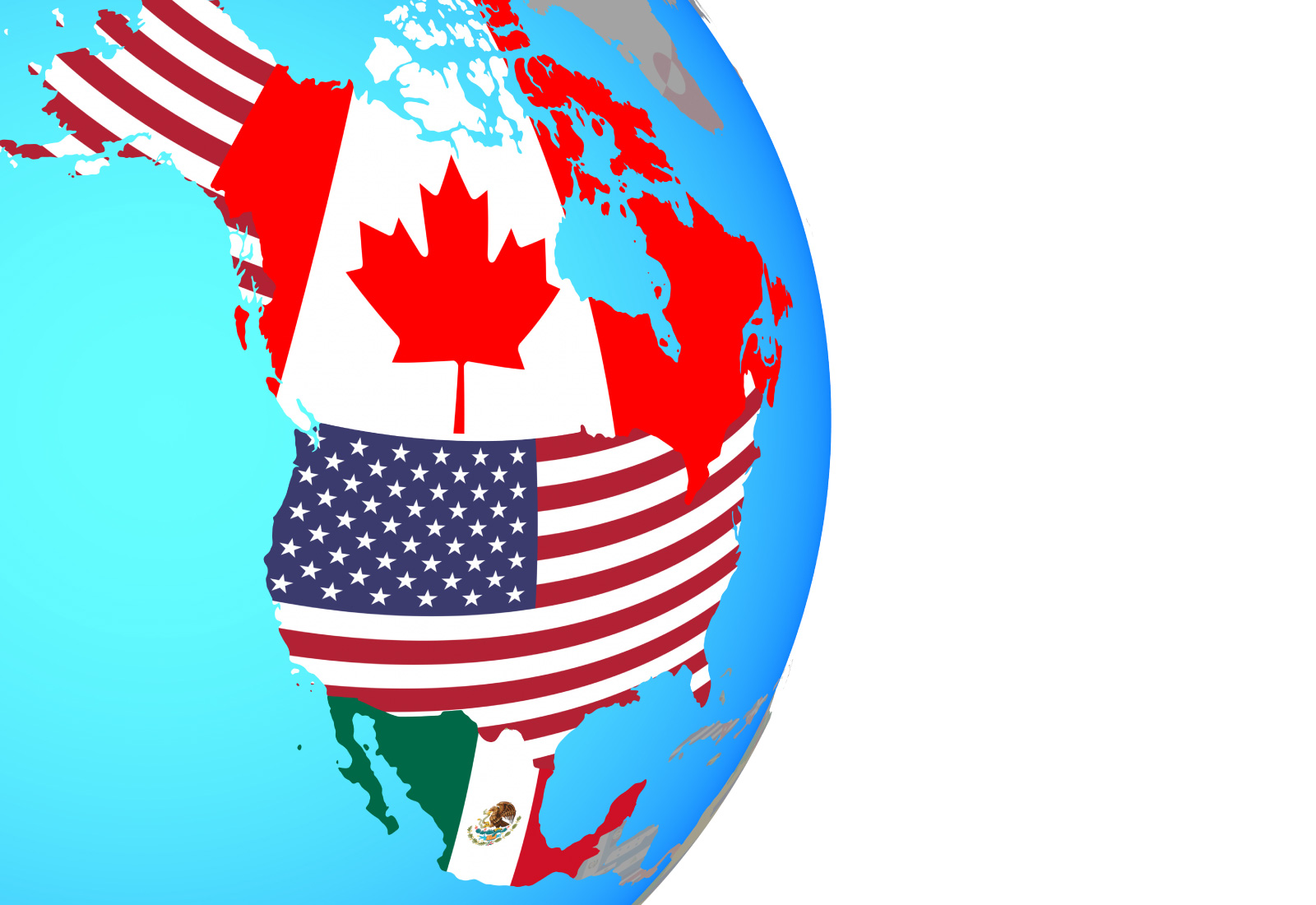
North American Infrastructure Opportunities
North America, particularly the United States, Canada, and Mexico, offers a broad spectrum of infrastructure opportunities due to ongoing modernization efforts, urban growth, the push for sustainability, and a focus on economic recovery. These opportunities span across various sectors, including transportation, energy, water, digital infrastructure, and more. Here’s a comprehensive look at some of the key infrastructure opportunities in North America:
1. Transportation Infrastructure
Transportation infrastructure continues to be a primary focus for investment in North America due to the growing need for modernization and expansion to support economic growth.
a. Highway and Road Projects
- U.S. Infrastructure Investment and Jobs Act (IIJA): The U.S. government has committed significant funding to repair and expand roads, bridges, and highways. Projects include:
- Bridge Rehabilitation and Replacement: Many bridges in the U.S. are nearing the end of their lifespan. Major projects like the I-35W bridge in Minneapolis and California’s State Route 1 are key priorities.
- Modernization of Highways: Efforts to enhance existing highways and build new expressways to meet growing transportation demand.
- Smart Highways: The integration of digital technology and sensors into highways to manage traffic, reduce congestion, and increase safety.
b. Rail and Public Transit
- High-Speed Rail: Projects like California’s High-Speed Rail, which will connect San Francisco and Los Angeles, are transforming the transportation landscape. Other potential projects include the Texas Central Railway and Northeast Corridor high-speed rail in the U.S.
- Light Rail Expansion: Many cities are investing in light rail systems to address urban congestion and environmental concerns. Cities like Toronto, Vancouver, and Montreal in Canada, and Phoenix, Seattle, and Denver in the U.S. are expanding their light rail systems.
- Transit-Oriented Development: There’s a growing trend in cities to build around transit hubs to promote sustainability and reduce reliance on personal vehicles.
c. Airport Modernization
- Expansion and Upgrades: Airports across North America are undergoing major renovations and expansions, such as New York’s LaGuardia Airport and Chicago O’Hare. These projects aim to enhance capacity, passenger experience, and security.
- Sustainability Efforts: There is also a strong push for sustainability in airport infrastructure, with a focus on reducing carbon footprints, upgrading energy systems, and incorporating renewable energy sources.
2. Energy Infrastructure
The energy sector is undergoing significant transformation in North America, with a growing emphasis on renewable energy sources and improving energy efficiency.
a. Renewable Energy Projects
- Wind Energy: The U.S. and Canada have enormous potential for both onshore and offshore wind energy projects. The U.S. offshore wind market (primarily on the East Coast) is expanding rapidly, with projects like the Vineyard Wind project in Massachusetts and Empire Wind in New York.
- Solar Power: Investment in large-scale solar farms is increasing, especially in sun-rich regions like California, Texas, and Arizona. The Copper Mountain Solar Facility (Nevada) and the Mojave Desert Solar Complex (California) are examples of large projects.
- Energy Storage and Grid Modernization: To ensure the stability of renewable energy integration, North America is investing in energy storage systems, smart grids, and microgrids. The Hornsdale Power Reserve in Australia, for instance, serves as a model for large-scale battery storage projects.
- Hydropower: Canada, particularly, has vast hydropower potential, and many provinces (e.g., British Columbia, Quebec) continue to invest in expanding hydropower projects. The Site C Dam in British Columbia is one example.
b. Energy Infrastructure Resilience
- Modernizing Electrical Grids: With increasing frequency of extreme weather events due to climate change, there’s a significant push in the U.S. and Canada to harden energy infrastructure and modernize grids. Projects focus on increasing grid resilience, protecting against cyber threats, and integrating decentralized renewable energy sources.
- Carbon Capture and Storage (CCS): As part of the transition to cleaner energy, there is growing investment in carbon capture technologies. Projects like NET Power’s natural gas plant in Texas aim to demonstrate how fossil fuel plants can operate with net-zero emissions.
3. Water and Wastewater Infrastructure
North America faces increasing challenges related to water management, including aging infrastructure, population growth, and climate change.
a. Water Distribution and Treatment
- Replacement of Aging Water Systems: Many cities, particularly in the U.S., have water distribution systems that are more than 100 years old. The IIJA allocates significant funds to repair and upgrade water pipes and treatment plants.
- Desalination Projects: In water-scarce areas like California and Texas, desalination projects are being explored. Carlsbad Desalination Plant (California) is one example of a major project that aims to provide a reliable source of drinking water.
b. Wastewater Management
- Upgrading Wastewater Treatment Plants: Older cities are working to replace or upgrade wastewater treatment facilities to meet new environmental regulations. This includes projects like the Tampa Bay Water Desalination Plant and upgrades to the Chicago Sanitary and Ship Canal.
- Sustainable Water Practices: There is increasing demand for water recycling systems, stormwater management, and green infrastructure (e.g., permeable pavements and green roofs) to manage urban water runoff.
4. Digital Infrastructure
As digital connectivity becomes a central element of modern economies, there are significant opportunities in digital infrastructure development.
a. 5G and Telecom Infrastructure
- 5G Deployment: North America is accelerating its rollout of 5G networks, particularly in urban centers. Projects involve upgrading towers, installing new antennas, and ensuring robust coverage for smart cities and IoT applications.
- Fiber-Optic Networks: The deployment of high-speed internet via fiber-optic networks is booming across the continent, particularly in underserved rural areas. U.S. companies like Google Fiber and Comcast are working to expand broadband access.
b. Data Centers
- Expansion of Data Centers: With the growth of cloud computing, big data, and artificial intelligence, there’s increasing demand for new data centers. Cities like Dallas, Phoenix, Vancouver, and Toronto are seeing significant investments in data center infrastructure.
- Sustainability of Data Centers: Companies are also focusing on green energy-powered data centers, integrating renewable energy sources like solar and wind into their operations.
5. Urban Development and Smart Cities
Cities across North America are investing in “smart city” technologies and urban infrastructure to make urban life more efficient, sustainable, and livable.
a. Smart City Initiatives
- Smart Traffic Management: Cities are deploying smart traffic systems that use sensors and real-time data to optimize traffic flow and reduce congestion. Cities like Toronto, Los Angeles, and New York are leading these initiatives.
- Smart Waste Management: Technologies for optimizing waste collection, recycling, and disposal are being integrated into urban infrastructure. San Francisco has long been a leader in waste management innovation.
- Smart Lighting and Energy Efficiency: Many cities are transitioning to LED street lighting and other energy-efficient systems to reduce costs and carbon footprints.
b. Affordable Housing Projects
- Urban Revitalization: The demand for affordable housing has led to significant investments in mixed-use development projects and urban revitalization initiatives. This includes the redevelopment of old industrial areas into residential, commercial, and recreational spaces.
- Modular and Prefabricated Housing: To address the shortage of affordable housing, companies are exploring innovative building methods such as modular housing and prefabrication to reduce costs and construction times.
6. Healthcare Infrastructure
Healthcare facilities and hospitals continue to face expansion and modernization needs across North America, particularly due to the COVID-19 pandemic.
a. Hospital and Healthcare Facility Upgrades
- Many hospitals are investing in new wings, ICU expansions, and specialized care units to meet the growing healthcare needs of their populations. For instance, Memorial Sloan Kettering Cancer Center in New York is investing in cutting-edge research and healthcare infrastructure.
- Telemedicine Infrastructure: There is also a growing demand for telemedicine infrastructure to support remote healthcare, creating new opportunities for digital health technologies and infrastructure.
Conclusion
North America presents a diverse range of infrastructure opportunities, driven by the need for modernization, sustainability, and technological advancement. Governments are investing heavily in areas such as transportation, energy, water, digital infrastructure, and urban development, making this region an attractive destination for infrastructure projects. Construction companies, investors, and tech firms can capitalize on these opportunities by aligning with the region’s growth strategies and sustainable development goals.